
Form that can be used by Firewise Communities to track their time and expenses for hardening their homes and landscapes
NWACA Area Community Wildfire Assessment Report
The report completed by the Austin Fire Department and Texas Forest Service, which provides the baseline wildfire assessment for the NWACA area. This can be used as a reference for any smaller portion of NWACA when putting together their Firewise Community applications and their CWPP (Community Wildfire Protection Plan).
A NWACA Map for WUI Response Index
This map shows an overall wildfire risk index for the NWACA area. The index values are color coded, as shown on the map legend. They are a composite of three components of fire behavior in the wildland urban interface (WUI):
- vegetation hazard, based on density
- slope
- structure density of the area
As you can see from the temperature bar at the bottom of the map, about half of our neighborhood is at extreme or high risk in a wildfire event.
A NWACA Map of Conflagration Risk
This map shows each of the residences in NWACA, color-coded for their risk in a fire situation, based on proximity to other residences. The risk might be from a wildfire or from a nearby house fire. See the legend at the bottom of the map.
In addition, the map has circled the primary evacuation points for this part of Austin - see the red circles. In case exit is not viable, there are temporary evacuation zones where residents might be able to shelter in place, shown with white stars - the area around Murchison Middle School and the Dell Jewish Community Center.
2017 05 11 NWACA Annual Meeting Talk on Oak Wilt (PDF)
These are the slides from Joanie Arrott's talk about preventing Oak Wilt.
2017-NWACA-AnnualMeeting-OakWilt
2017 05 11 Annual Meeting Slides
This is the slide set used by NWACA President Chris Hajdu to run the Annual Meeting, and it includes slides from Chris Allen, who spoke to implementing CodeNEXT.
2017-NWACA-Annual-Meeting-slides
Dealing with Raccoons
Advice from a wildlife biologist on how to minimize household damage from raccoons.
Cougar Run Dam Background Information
This article provides some background and history of the Cougar Run Dam, for which the City of Austin plans for maintenance are causing some controversy with the neighbors.
2016 05 11 Annual Meeting – Austin Oaks Slides
Presentation used by Michael Whellan to discuss the plans for the Austin Oaks rezoning
Austin Oaks Rezoning
2016 05 11 Annual Meeting – MOPAC Slides
Slides used by Lynda Rife from CTRMA, to talk about status and plans for the Mopac Toll Lane project
Mopac Northwest Hills Presentation 050516
2016 05 11 Annual Meeting – Oak Wilt Slides
Presentation used by Chris Dolan, City Arborist, to talk about oak wilt prevention
Northwest Hills Oak Wilt
2016 05 11 Annual Meeting Slides
Slides used by Chris Hajdu, NWACA President, to run the meeting
NWACA Annual Meeting 2016 slides
2015 11 19 Austin Oaks Charrette Neighborhood Update
Details about the Austin Oaks Charrette to be held January 24-29, 2016, as well as information meetings and workshops that precede the charrette design workshop week
2015 10 27 COA Master Comment Report
City Staff comments regarding the August submission by Drenner Group. Additional comments and questions raised here will not be addressed during the pause for the community charrette activities during Q4 2015 and January 2016.
2015 10 Coyotes and Fencing
Tenth in a series of coyote education articles for 2015
2015 08 19 TIA Update Exhibit 4
An exhibit from the appendix to the report that provides a summary of the changes proposed
2015 08 19 TIA Comment Response Letter (Golden)
response to TIA comments from Mr. Golden
2015 08 19 TIA Comment Response Letter (ATD)
Response to TIA review comments of Mr. Craig of the Austin Transportation Department
2015 08 19 Traffic Impact Analysis Report
An update to the TIA that was provided in May, 2015.
2015 06 12 Educational Impact Statement
AISD Educational Impact Statement for the Austin Oaks PUD with planned 277 apartments (submitted as part of August updates from Drenner Group)
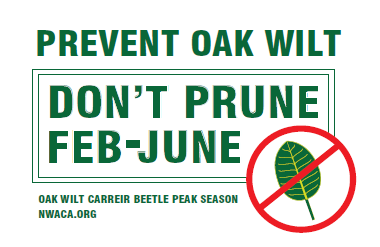
Until July, sap beetles are attracted to fresh tree wounds and can transmit the oak wilt fungus to a healthy oak tree during pruning. The heat of July-August is believed to suppress the beetles and reduce the risk of infection. Note that all trees are under the normal stress of summer, depending on soil moisture, and some are still in their growing season then. So if you haven’t completed pruning of oaks by now, it’s best to wait until fall.